The story you are part of
The connection between Malta and Australia runs deep, and if your family made the journey, they were part of one of the largest movements in Malta's history. In 1948, Australia signed an assisted passage agreement with Malta, the first such agreement Australia had ever made with any country other than Britain. Over the following decades, subsidised travel brought tens of thousands of Maltese to Australia, with the peak years falling in the 1950s and 1960s.
Many travelled on ships whose names still echo through family stories, the SS Asturias among the most legendary, often young tradesmen leaving with a brother or two but without their parents, sending for family once they had found work and a place to live. They came seeking a better life away from the hard socioeconomic conditions of a small island that could not sustain its population. They settled above all in Melbourne and in the western suburbs of Sydney, and they built Maltese clubs, band clubs and communities that kept the language, the faith and the festa alive on the other side of the world.
The scale is remarkable. In the 2021 Census, close to 199,000 Australians reported Maltese ancestry, one of the largest Maltese diasporas anywhere. There is a widely repeated saying that there are more people of Maltese descent in Australia than there are in Malta itself. Whether or not the numbers bear that out precisely, the sentiment captures something true: for a great many families, the story of Malta in the twentieth century is also the story of Australia.
If you are second or third generation, your trip back is not really tourism. It is something closer to completing a circle your grandparents began when they boarded that ship.
Finding your village
Malta is small, which means your ancestral village is never far away, and getting to it is easy. The first thing worth doing is establishing exactly which parish your family came from, because in Malta the parish is everything: it is the unit of identity, the keeper of the records, and the heart of the community.
If you know the village, you can often visit the parish church and, in many cases, arrange to see baptism, marriage and burial records held by the parish or the Archdiocese, which for many families is the single most moving part of the whole trip. Standing where your great-grandparents were married, in a church that has barely changed in two centuries, is a different experience from reading a name on a document in Australia.
Surnames in Malta are strongly associated with particular villages, so even the name itself is often a thread that leads somewhere specific. Local people are, almost without exception, delighted to help a returning family find their roots.
Time your trip around the festa
If there is one piece of advice that will transform a roots trip from a nice holiday into something unforgettable, it is this: find out when your village celebrates its festa, and plan your visit around it.
The festa is the annual celebration of a village's patron saint, and it is the living, beating heart of the community your family came from. It is the same celebration your grandparents would have known as children, the same brass band marches, the same fireworks handmade in the village, the same statue carried through the same streets, the same food stalls in the same square. Recognised by UNESCO in 2023 as part of the world's Intangible Cultural Heritage, the festa is the single most authentic thread of continuity between the Malta your family left and the Malta of today.
To stand in your ancestral village on its festa night, surrounded by people who may well share your surname, watching the fireworks your family would have watched generations ago, is as close to coming home as it is possible to get. Our Festa calendar explains how the season works and helps you find when each village celebrates.
Making the most of the rest of your time
Beyond the emotional heart of the trip, Malta rewards the time you give it. Here is how to fill the rest of your visit.
Start in Valletta, the capital your family would have known as the grand city on the harbour. It is one of the most concentrated historic cities in the world, and beyond the obvious sights it has a rich events calendar of theatre, concerts and open-air performances. Our local's guide to Valletta goes well beyond the tourist trail.
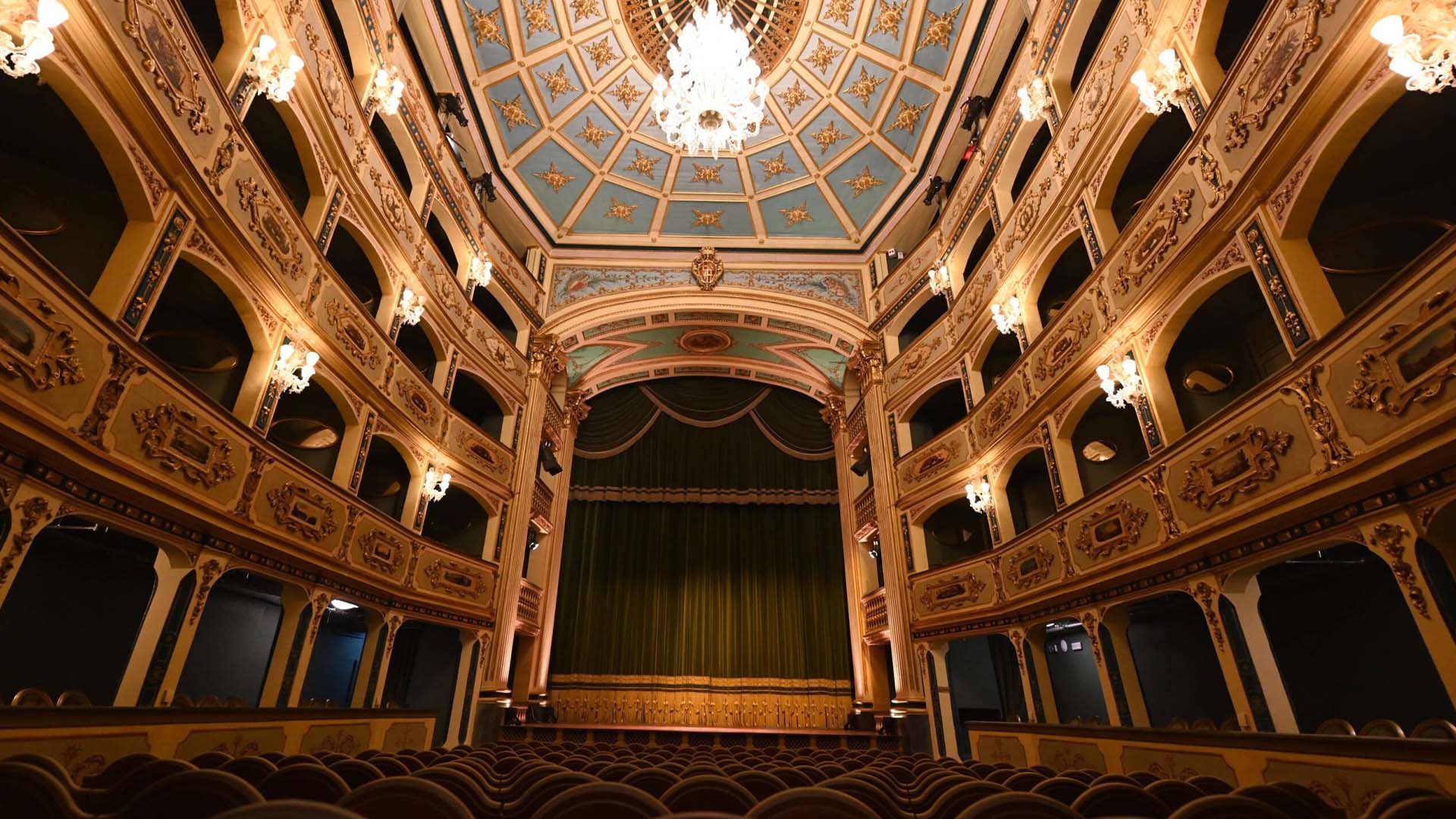
Give Gozo its own days rather than a rushed day trip. For many Australian-Maltese families, the roots are on the smaller island, and Gozo moves at a gentler pace that rewards a proper stay. Its festas, its theatres in Victoria, and its quieter countryside give you a different and in some ways older sense of Maltese life.
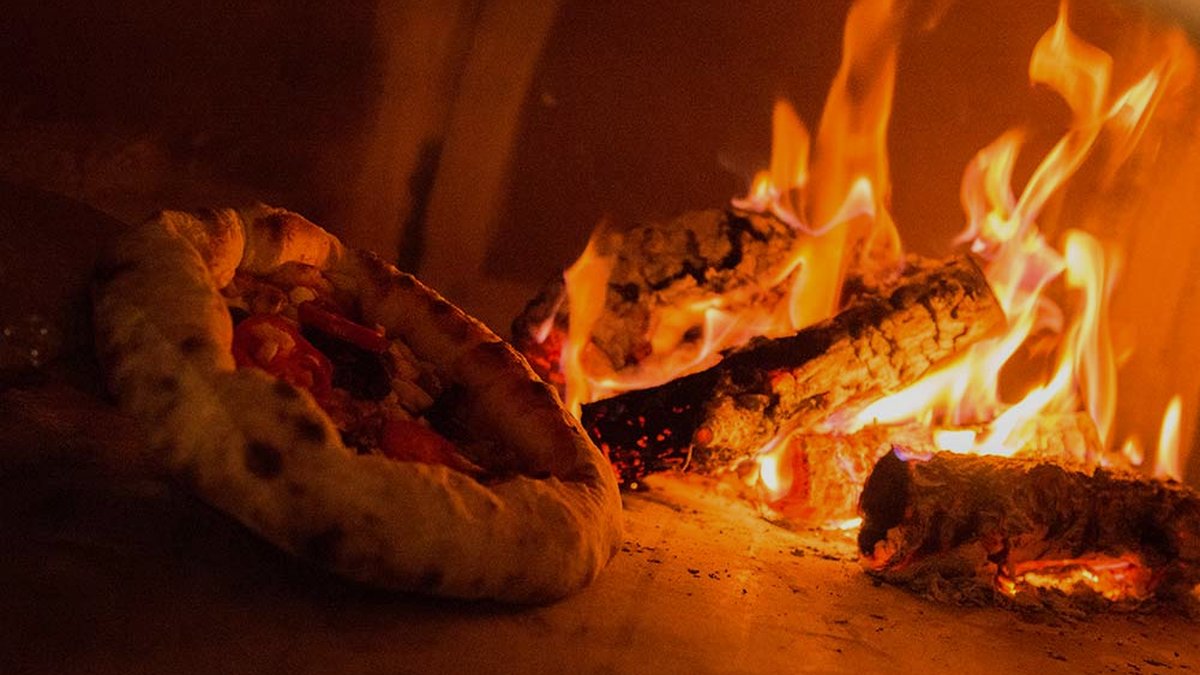
Eat your way back into the culture. The food you half-remember from childhood is everywhere here, and often better than you remember. Our guide to Malta's food festivals and markets points you toward the markets, the wine festivals and the traditional food events where you will find the real thing, and the food and drink calendar shows what is on while you are here. A visit to the Sunday fish market at Marsaxlokk is a particularly good way to see the working, unpolished side of Maltese life.
Food Festivals in Malta 2026: The Complete Guide
Food and drinkBuild the rest around what is on. Whatever weeks you are here, there will be concerts, festivals, exhibitions and events happening across the islands. The GoGather events calendar lists everything with dates, venues and prices, so you can slot cultural evenings and day trips around the family visits and the festa that anchor your trip.
A few practical notes
Malta is an easy place to travel. English is an official language and is spoken everywhere, so the language your grandparents may not have fully passed on is no barrier at all. The euro is the currency. The island is compact enough that you can base yourself in one place, many visitors choose Valletta or Sliema for convenience, and reach everywhere by bus or a short drive.
Consider hiring a car for the days you are visiting villages and parishes, since the ancestral village may be somewhere the buses reach slowly, and having your own transport makes the roots part of the trip far easier. For everything in the towns and cities, public transport and walking serve you well.
And give yourself time. The instinct is often to pack a roots trip with sightseeing, but the moments that stay with people are usually the slow ones: the afternoon in the village, the conversation with a distant relative, the festa night, the meal that tasted like childhood. Malta will still be there for the sightseeing. Leave room for the coming home.
Planning your trip
The GoGather events calendar and festa calendar together cover everything happening across Malta and Gozo, so you can build your visit around the celebrations that matter most. Start with your village's festa date, then fill the rest of the trip from there. Welcome home.